Building visibility when you work remotely for a foreign company
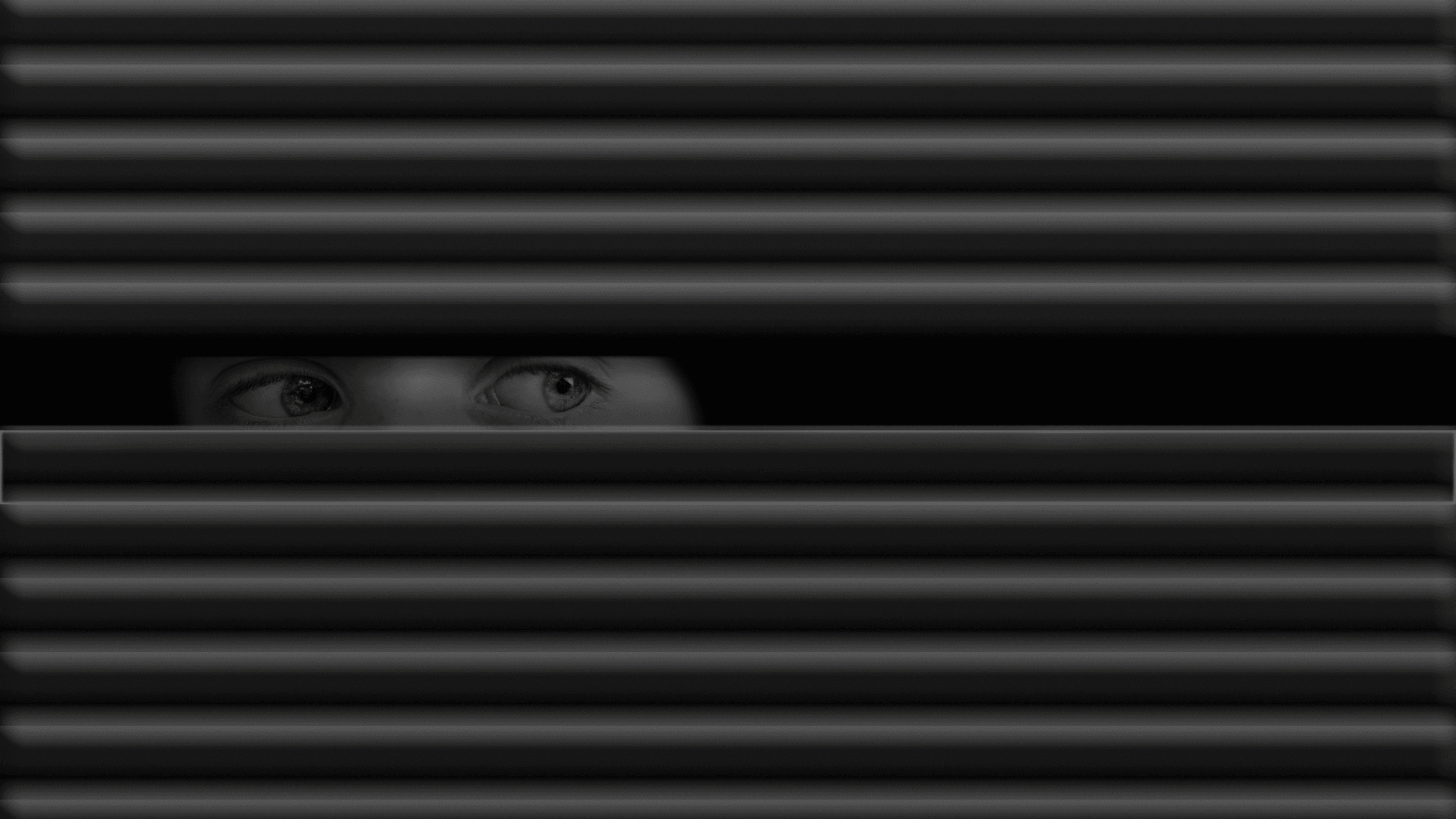
Last week, I got a message from Maya, a UX designer in Cebu working for a London agency. Three promotions had just gone to UK-based colleagues despite her consistently delivering exceptional work. "Marco, am I just invisible?" she asked.
I felt that. Viscerally. In fact, I've lived it.
After eight years working from Manila for companies whose headquarters I've visited maybe twice, I can confirm: proximity bias is still the silent career killer of 2026. The Hybrid Revolution that companies trumpeted post-pandemic has calcified into something less revolutionary - those in the room still get noticed first.
But here's what I've learned: invisibility is a solvable problem, not a permanent condition.
The ghost worker syndrome
When your boss is 7,000 miles and several time zones away, being brilliant isn't enough. Remote excellence is like shouting into the void if nobody notices.
In my early remote years, I made what I call the "good worker trap" mistake. I put my head down, delivered perfect work, and waited for recognition. I was a productivity machine - and completely forgettable.
That approach might work when your manager sits ten feet away and witnesses your daily brilliance. It categorically fails when they're in London and you're in Manila.
So let's talk about what actually works.

Beyond Tick Boxes: Diversity Recruitment Strategies That Actually Transform UK Workplaces

Master the Virtual Hot Seat: 7 Video Interview Techniques Recruiters Don't Tell You

How to Master 'Tell Me About Yourself' Interview Question: UK Expert Insights
Strategic visibility (without being obnoxious)
The key insight that changed everything for me? Visibility isn't self-promotion - it's strategic communication.
First, understand that your foreign colleagues aren't deliberately ignoring you. Their attention is naturally captured by what's in front of them. Your job is to become impossible to forget despite the distance.
The Visibility Translation Matrix
The biggest mistake remote workers make is trying to replicate office visibility using the wrong tools. You cannot rely on people simply "noticing" you. You have to translate traditional office behaviors into remote-first artifacts:
-
Reinventing the Watercooler Chat: Instead of relying on passive office banter, send a short 2-minute video walkthrough or a quick voice note rather than a dry Slack message. This reinjects human energy, tone, and personality that text strips away.
-
Replacing the "Over-the-Shoulder" Check-in: Instead of waiting for a finished reveal, share messy, mid-project drafts and build-in-progress logs in shared team channels. This shows your working process and invites collaboration early.
-
Upgrading the Weekly Status Meeting: Instead of hoping your work gets noticed, maintain a personal, shareable impact log in Notion or Confluence tracking weekly wins, avoided crises, and shipped features. This acts as your proxy presence when managers discuss performance in rooms you aren't in.
Mastering the Asynchronous Handover
The 7-to-8-hour time zone gap between Asia and Europe isn't your enemy—it's your ultimate competitive advantage.
I turned this difference into a superpower by treating it as a continuous relay race. While London sleeps, I solve. There is a distinct psychological magic to a UK manager logging on at 9:00 AM their time, dreading a complex system issue, only to find a comprehensive brief from you outlining how you already fixed it during your afternoon in Manila. They don't see the crisis; they just see your competence.
The voice advantage
Text communication flattens personality. Your brilliance, humour, and energy get compressed into words on a screen that look identical to everyone else's.
My career transformation came when I started using voice more strategically. Not just in meetings, but in voice messages, quick video updates, and yes, actually picking up the phone occasionally.
During my time working for a Sydney agency, I instituted "walk and talk" calls - 15-minute check-ins where I'd actually leave my apartment and walk while talking to my boss. The change in energy was palpable.
Why? Because humans connect to humans, not emails.
Building your remote reputation bridge
The harsh reality of remote work is that your reputation doesn't travel naturally through an organisation. In an office, reputation diffuses - people overhear praise, see reactions, witness your work. Remotely, reputation stagnates unless you build bridges for it.
Cross-departmental projects are gold for this reason. They expose you to new internal advocates.
But the most overlooked visibility tactic? Building relationships with your boss's boss. This isn't about bypassing your manager - it's about ensuring your work is known beyond your immediate supervisor.
A friend working for a Manchester tech firm makes a point of sharing major project milestones with both her manager and the department head in a three-person chat. Not to curry favour, but to build broader awareness of her contributions.
Be the solution, not the time zone
The most insidious trap for remote workers is allowing yourself to be defined by your location rather than your contribution.
I've seen brilliant professionals reduced to "Arjun from Mumbai" or "the team in Manila." Your location becomes your identity instead of your expertise.
Combat this by consistently positioning yourself as the solution to specific business problems. "I'm not the graphic designer in Bangkok - I'm the conversion rate specialist who happens to work from Bangkok."
The reciprocity principle
Visibility isn't a one-way street. The remote workers who thrive internationally are those who make others feel seen too.
Recognize your UK colleagues' contributions publicly. Remember their time zone challenges when they join your 9pm calls (their early morning). Acknowledge the cultural differences without making them the focus.
I've found LinkedIn particularly valuable for this reciprocal visibility. Highlighting collaborative wins gives both you and your overseas colleagues recognition within your broader industry network.
Technology as your visibility partner
Choosing the right tech stack makes a massive difference to remote visibility. Beyond the standard video conferencing tools, look at platforms that showcase your work process, not just the final output.
The project management tools that have advanced significantly since 2024 now offer much better visibility into individual contributions. The newest Asana work graph features, for example, clearly map how your work connects to broader company objectives.
For teams involved in creative or development work, I've found that investing time in creating compelling demos and walkthroughs pays enormous visibility dividends. Make the impact of your work undeniable.
How to Survive Promotion Season (and Proximity Bias)
The most vulnerable moment for any offshore worker is promotion season. This is when proximity bias calcifies: managers consciously or unconsciously reward the people they see physically in the office on Tuesdays and Thursdays.
To combat this, you cannot leave your career trajectory to chance.
-
Demand Quarterly Career Syncs: Annual reviews are too late. Insist on quarterly check-ins focused solely on career trajectory, separate from project updates.
-
Force the Metric Question: Explicitly ask, "What specific metrics or outcomes would make me undeniably promotion-ready in six months?" Document their answer.
-
Bridge the Cultural Ambition Gap: Many UK managers are culturally less comfortable with direct, aggressive career discussions than American teams. Do not wait for them to ask about your goals. State your ambitions plainly and professionally.
The future is still remote (despite the headlines)
Despite the "return to office" headlines that have dominated UK business news through early 2026, the reality remains: companies that can access global talent have a competitive advantage over those limiting themselves to local candidates.
Your job is to be so remarkably visible that you remove any doubts about remote work effectiveness. You're not just building your career - you're proving a model.
Remember Maya from the beginning of this article? After implementing several of these strategies over six months, she received a promotion and a team leadership role. Her visibility problem didn't solve itself - she solved it systematically.
The distance between you and headquarters will always exist. But professional invisibility is a choice, not a sentence. Choose to be brilliantly, memorably visible - across any distance.