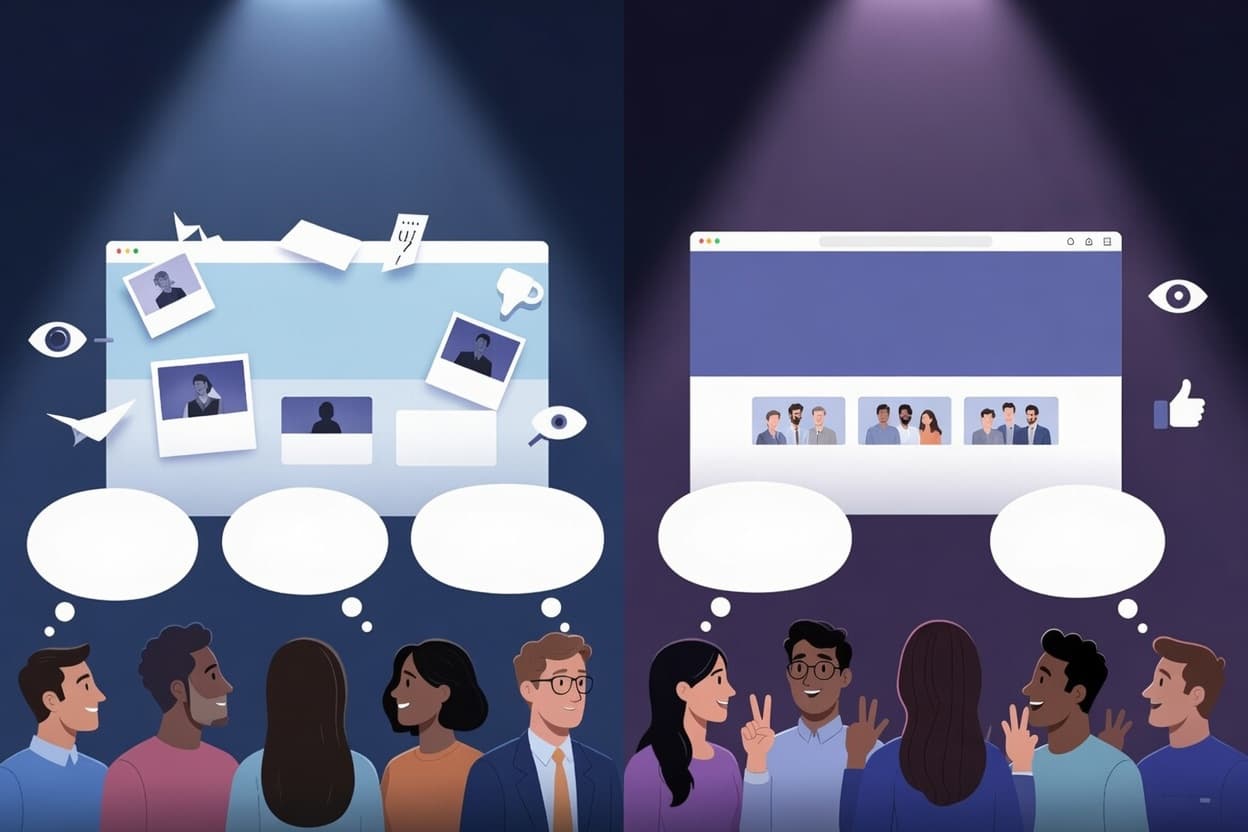
Your Digital Footprint: What Employers Find When They Google You
Look, it's 2026, and I've been helping people land jobs for over 12 years now. One thing hasn't changed - employers are absolutely Googling you before they make a hiring decision. But what has changed is what they're looking for and how they're interpreting what they find.
I had a chat last week with a candidate who lost out on a marketing role because the hiring team found his Reddit comments from three years ago where he'd trashed their competitor's product. Not illegal. Not offensive. Just... unfortunate timing.
The painful truth? Most job seekers are still making the same digital footprint mistakes I was warning about five years ago, while employers have gotten increasingly sophisticated in their screening techniques.
The 60-Second Google Test
Before we dive into specifics, try this: Open an incognito browser window and Google yourself. Not just your name, but variations including your location, university, and current company. What appears on that first page?
Employers typically spend less than a minute on this search. But in that brief moment, they form impressions that can either reinforce or contradict everything you've carefully crafted in your application.
Many candidates I work with are shocked by what surfaces. That forgotten blog from uni. Comments on industry forums. An old Twitter account you abandoned years ago that still ranks highly because you used your full name.

Beyond Tick Boxes: Diversity Recruitment Strategies That Actually Transform UK Workplaces

Master the Virtual Hot Seat: 7 Video Interview Techniques Recruiters Don't Tell You

How to Master 'Tell Me About Yourself' Interview Question: UK Expert Insights
What Employers Are Actually Looking For
Contrary to popular belief, most hiring managers aren't digging for dirt or trying to find reasons to reject you. They're contextualising what they already know.
The typical employer search in 2026 falls into three categories:
1. Consistency Check
Is your online presence consistent with your CV? If you claim to be a "passionate advocate for sustainability" but your Instagram shows you jetting off to a new country every other weekend, that creates cognitive dissonance.
I've seen candidates lose offers because they claimed proficiency in technologies on their CV that they publicly dismissed or complained about on tech forums. It's not about having a perfect image - it's about authenticity and consistency.
2. Cultural Alignment
This is where things get tricky. Employers now use your digital footprint to gauge how you might fit their workplace culture.
But this isn't just about avoiding offensive content. It's also about how you express yourself, how you engage in discussions, and how you represent yourself professionally.
A client of mine who works in recruitment at a major financial services firm told me they specifically look at how candidates handle disagreements online. Do they respond thoughtfully or defensively? Do they show emotional intelligence when challenged?
3. Professional Engagement
How engaged are you in your profession beyond your day job? Do you contribute to relevant conversations? Share industry insights?
For senior roles especially, having no digital footprint can be almost as problematic as having a negative one. It raises questions about your currency in the field and your networks.
One hiring manager I worked with last month put it bluntly: "If I can't find evidence that a candidate cares about our industry outside of paid work hours, why would I believe they'll go above and beyond for us?"
Your Digital Audit Checklist
Here's a practical approach to auditing your digital footprint before you start job hunting:
Search Phase
- Google your full name plus variations with middle names/initials
- Search your name + current company
- Search your name + university/school
- Check image search results (this often surfaces surprising content)
- Search your email addresses (particularly older ones you might not use anymore)
- Check social media platforms you've abandoned (old accounts rank surprisingly well)
Clean-up Phase
Prioritize fixing these issues first:
- Inconsistencies between your professional claims and online activity
- Content showing poor judgment (we all have some)
- Out-of-date profiles with incorrect job information
- Unflattering images that may be tagged but not posted by you
For content you can't delete, your options are:
- Overwhelm it with newer, positive content
- Contact site administrators to request removal
- In extreme cases, seek professional online reputation management help
But don't expect to scrub everything overnight. Building a positive digital presence takes time.
The "Digital Witness" Strategy
The most effective approach isn't just defensive. It's proactive.
I call this the "Digital Witness" strategy - deliberately creating content that serves as a witness to your professional expertise and values.
This doesn't mean you need to become an influencer or content creator. Simple, consistent actions work best:
- Commenting thoughtfully on industry articles
- Sharing relevant insights on LinkedIn (with actual commentary, not just link-sharing)
- Participating in professional forums or communities
- Creating a simple personal website that ranks for your name
The goal isn't volume but quality. One thoughtful comment on an industry article can speak volumes about how you think and engage professionally.
The Forgotten Platforms
Some platforms have outsized influence on your digital footprint but are often overlooked:
- GitHub - For tech roles, this is often the first place employers look
- Slideshare/presentation platforms - These rank surprisingly well
- Medium - Even a single article can dominate your search results
- Industry-specific forums - These often rank highly for niche expertise
- Comments sections - Many don't realize these are indexed and searchable
I recently worked with a candidate who couldn't figure out why an old comment on a TechCrunch article kept appearing in his search results. The reason? He'd used his full name in a thread that became popular, and the page had high domain authority.
The UK-Specific Context
The UK has some unique considerations when it comes to online presence. The effects of the UK's data protection laws mean you have more control than you might think.
A few UK-specific points to consider:
- You have the "right to be forgotten" under GDPR - you can request Google remove certain search results
- Libel laws in the UK are stronger than in many countries - if someone has posted false information about you, you have recourse
- The ICO provides guidance on managing your data online - their resources are genuinely helpful if you're dealing with stubborn content
I've helped several clients successfully use these protections to clean up problematic search results.
Handling Negative Content You Can't Control
What if you've done your audit and found content you can't remove? This happens more often than you'd think.
Here's my playbook:
- Be prepared to address it - If it's likely to come up, have a brief, honest explanation ready
- Create competing content - Fresh, positive content can push negative results to page two of search results (where almost nobody looks)
- Consider proactive disclosure - For serious issues, sometimes addressing them head-on in an interview is the best approach
The worst strategy is hoping nobody notices. They will.
Is This All a Bit... Much?
At this point, you might be thinking this all sounds exhausting. And yeah, sometimes it is. The constant awareness of your digital trail can feel like an added pressure.
But I've seen too many qualified candidates knocked out of contention because of digital footprint issues. It's not fair, but it's reality.
The most pragmatic approach is to view your online presence as an extension of your professional self - not a perfect, sanitized version, but a reasonably accurate representation of who you are in a work context.
Start Today
Don't wait until you're actively job searching to manage your digital footprint. By then, it might be too late to make meaningful changes before employers start looking.
The candidates who navigate this best are those who approach it as ongoing maintenance rather than emergency cleanup.
Begin with your audit today. Set up a Google Alert for your name. Then develop the habit of occasionally checking your search results, just as you'd periodically update your CV.
Your digital presence is increasingly becoming your first impression. Make it count.
Michael Chen helps professionals navigate the increasingly complex job search landscape. When he's not coaching candidates through interview prep, he's probably telling recruiters what they're doing wrong.