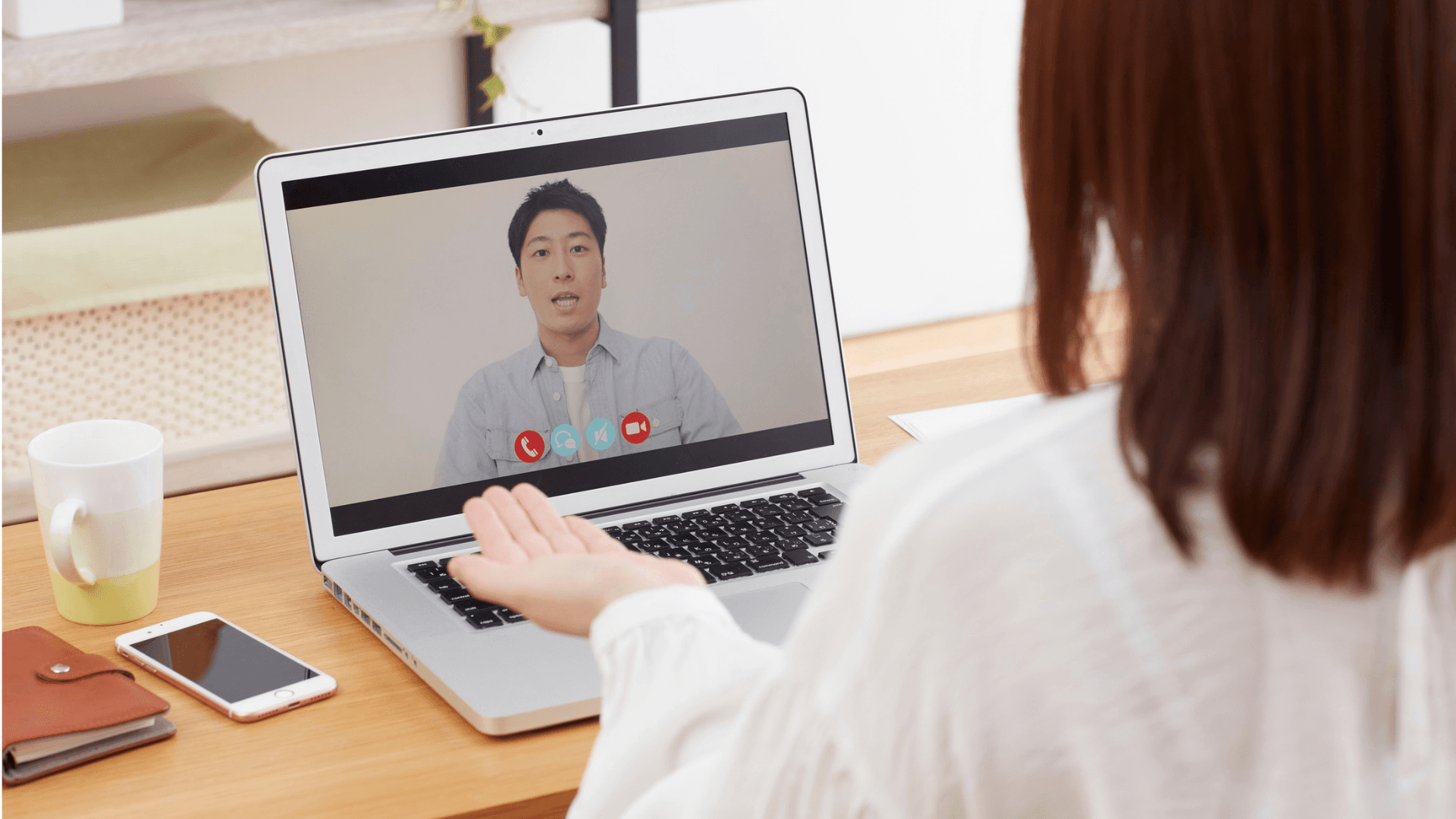
How to Ace Your Remote Job Interview: 7 Proven Strategies UK
In my experience on both sides of the webcam, most hiring managers form a strong initial impression within the first five minutes of a remote interview. I've seen this reality unfold hundreds of times from both sides of the webcam. The rules have changed. That firm handshake and confident smile that once won me roles across London construction sites? Useless in the virtual world. And while you're worrying about looking professional from the waist up, your potential employer is scrutinising much more than just your answers. Remote job postings rose 20% quarter-on-quarter in Q1 2026, according to FlexJobs' Remote Work Index, with remote work now three times more common than pre-pandemic levels. mastering the virtual interview is essential for career progression in 2026 and beyond. Drawing from my experience transitioning from construction site management to remote project coordination, I'll share exactly what employers are looking for In the current virtual interviews, and the specific techniques that will set you apart.
Why Remote Interviews Feel Different (And More Challenging)
Remote interviews create a unique psychological dynamic that many candidates fail to recognise. When you're physically separated from your interviewer, you lose access to important social cues and the natural rapport-building that happens in person.
-
You can't read the room as effectively
-
Technical issues create unexpected stress points
-
It's harder to demonstrate enthusiasm through a screen
-
The interviewer can't see your complete physical presence and energy. Most candidates stumble through these differences. You can use them.

Beyond Tick Boxes: Diversity Recruitment Strategies That Actually Transform UK Workplaces

Master the Virtual Hot Seat: 7 Video Interview Techniques Recruiters Don't Tell You

How to Master 'Tell Me About Yourself' Interview Question: UK Expert Insights
Strategy 1:
Create a Professional Environment That Tells Your Story Your interview background is a visual statement about your professionalism and attention to detail.
The Technical Setup
First, the essentials:
-
Position your camera at eye level (stack books under your laptop if needed)
-
Light your face from the front, not behind you
-
Test your microphone for clear audio (use headphones if your space has echo)
-
Ensure stable internet (consider an ethernet connection for important interviews)
The Visual Message
While a plain wall works, I've found that a thoughtfully curated background can subtly reinforce your candidacy:
-
Include 1-2 relevant books that align with the role or industry
-
A small, tasteful plant suggests stability and attention to detail
-
Minimise distractions, remove anything that doesn't contribute positively When I interviewed for my first remote project management role, I positioned a copy of "Managing Complex Projects" and my CSCS card holder subtly on the shelf behind me. The interviewer actually commented on it, which opened a natural conversation about my technical approach.
Strategy 2:
Master Video-First Communication Skills Remote work demands video communication skills that many candidates haven't deliberately developed.
Eye Contact Through Technology
The most common mistake I see? Looking at the interviewer's face on screen rather than directly into the camera.
-
Practice looking at your webcam when speaking (this creates the feeling of eye contact)
-
Place a small sticky note with a smiley face next to your camera as a reminder
-
Reduce your video size and move it directly under your camera to minimise the disconnect
Voice and Delivery
Without physical presence, your voice carries more weight in creating impression:
-
Speak 10% more slowly than your normal pace
-
Emphasise key points with slight pauses before and after
-
Vary your tone to maintain engagement (monotone delivery kills interest)
-
Practice eliminating filler words ("um," "like," "you know")
Strategy 3:
Demonstrate Remote Work Competencies Proactively Employers have specific concerns about remote workers. Address them before they ask.
Self-Management Skills
-
Describe your personal productivity system (whether it's Pomodoro technique, time-blocking, or another method)
-
Share concrete examples of meeting deadlines without supervision
-
Explain how you separate work and personal life when working remotely
Digital Communication Fluency
-
Reference specific tools by name (Slack, Teams, Asana, etc.) with examples of how you've used them effectively
-
Describe your communication style and responsiveness standards
-
Mention your approach to written communication clarity For example, when interviewing for a position coordinating distributed construction teams, I shared: "I maintain a digital Kanban board for my personal workflow and set clear availability hours with status indicators so my team always knows when and how to reach me."
Strategy 4:
Prepare for Remote-Specific Interview Questions Be ready for questions that specifically probe your remote work capabilities.
Common Remote Interview Questions
-
"Describe how you stay motivated when working independently."
-
"How do you handle technical difficulties during important meetings?"
-
"What's your approach to communicating project challenges when you can't walk over to someone's desk?"
-
"How do you build relationships with colleagues you've never met in person?"
The STAR+R
Framework For each question, structure your response using STAR+R:
-
Situation: Briefly describe the context
-
Task: Explain your responsibility
-
Action: Detail what you did specifically
-
Result: Share the outcome
-
Remote Relevance: Connect to remote work skills explicitly This structured approach demonstrates both your experience and your ability to communicate clearly, a critical remote work skill.
Strategy 5:
Use Technology to Your Advantage Remote interviews allow preparation aids that in-person interviews don't. Use them wisely.
-
Create a one-page "cheat sheet" with key talking points (positioned near your camera)
-
Have specific numbers and achievements readily accessible
-
Prepare digital portfolio examples that you can screen share if appropriate Careful though, avoid obviously reading from notes, as this undermines the impression of fluency and expertise. I've seen candidates use digital sticky notes positioned near their webcam with bullet points of their key achievements, invisible to the interviewer but providing confidence to the candidate.
Strategy 6:
Build Connection Despite the Distance Remote interviews can feel impersonal, but deliberate connection-building overcomes this.
Research-Driven Personalisation
-
Reference recent company news or projects (shows genuine interest)
-
Find common ground with your interviewer through LinkedIn research
-
Ask thoughtful questions that demonstrate you've done your homework
Deliberate
Warmth Signals
-
Smile more frequently than feels natural (video diminishes perceived warmth)
-
Use the interviewer's name occasionally (creates psychological connection)
-
Nod and provide visual feedback while listening When I interviewed with a firm coordinating projects across multiple UK sites, I mentioned their recent sustainable building certification featured on their blog. This immediately shifted the conversation from formal to engaged, as the interviewer had been personally involved in the initiative.
Strategy 7:
Follow Up with Digital Sophistication Your post-interview actions should reinforce your remote work capabilities.
-
Send a thank-you email within 24 hours that references specific conversation points
-
Include any additional information or examples promised during the interview
-
Demonstrate digital communication excellence in your follow-up (clear, concise, error-free) If you're actively searching, video-based job application platforms like The OHub let you demonstrate remote communication skills before you reach the interview stage.
Common Remote Interview Mistakes to Avoid
These errors can instantly undermine your candidacy:
-
Poor technical preparation: Test everything in advance, sound, video, internet connection, and platform familiarity
-
Inappropriate attire: Dress professionally from head to toe (yes, even parts not visible on camera)
-
Distracting environment: Background noise, interruptions, or visually busy backgrounds suggest poor planning
-
Screen sharing mishaps: Close unnecessary tabs and notifications before your interview
-
Appearing disengaged: Remote interviews require more animated engagement than in-person meetings
Virtual Interview Checklist: 24 Hours Before
Use this pre-interview checklist to ensure you're fully prepared:
-
Technical setup tested (camera, microphone, lighting, internet)
-
Environment prepared and background cleared of distractions
-
Research completed on company and interviewer(s)
-
Practice questions rehearsed using STAR+R framework
-
Outfit selected (professional, camera-friendly colours)
-
Reference materials positioned near camera
-
Notification settings adjusted to prevent interruptions
-
Glass of water prepared (speaking clearly requires hydration)
-
Plan in place for potential interruptions (deliveries, family members)
After Your Remote Interview: Next Steps
The post-interview phase requires strategic action when you're competing for remote positions:
-
Send that personalised thank-you email within 24 hours
-
Update your LinkedIn to reflect any new relevant skills discussed
-
Connect with team members on professional platforms if appropriate
-
Prepare for potential second-round interviews with additional research For candidates looking to improve their digital presence before the next opportunity, The OHub's HubFluencer program offers ways to build your personal brand while searching for roles.
Remote Interview Success Is a Learnable Skill
Mastering the remote interview takes deliberate preparation and practice, not natural charisma. Each virtual interview builds your capabilities for the increasingly digital workplace. The skills that make you successful in remote interviews, clear communication, technological adaptability, and structured thinking, are precisely the skills employers seek in remote workers. By approaching your interview with this strategic framework, you're already demonstrating your fit for remote work. Whether you're pursuing a fully remote position or a hybrid arrangement, implementing these techniques will significantly increase your chances of success. And as someone who has transitioned from physical construction sites to digital project management, I can assure you that the effort to master these skills pays dividends throughout your career. Start by reviewing The OHub's current remote opportunities and prepare to showcase your remote work capabilities in your next virtual interview.