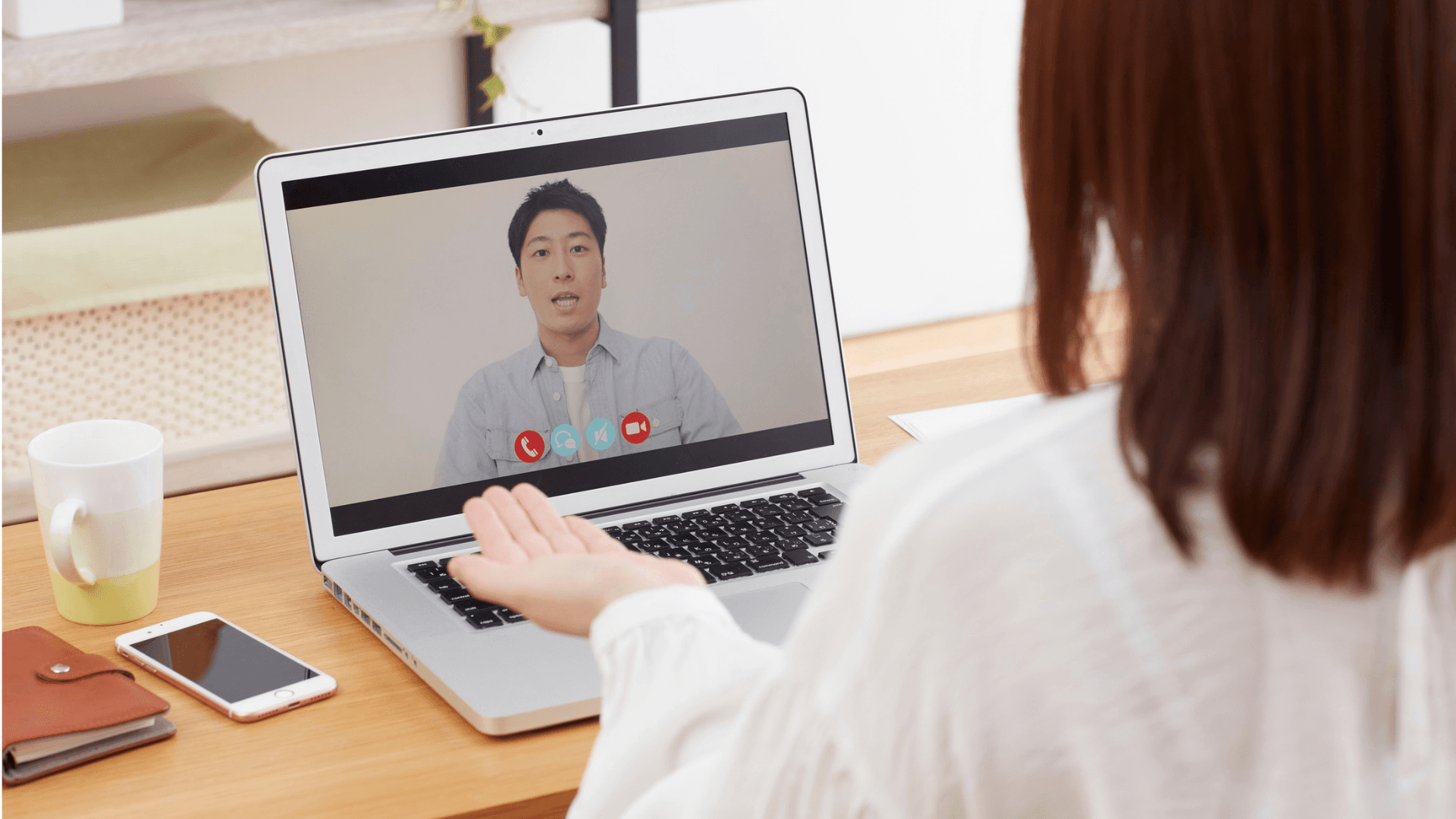
Nailing a remote interview with an overseas employer
I've got a confession to make. Last month, I watched a brilliantly qualified developer tank a remote interview with a Boston fintech because he showed up looking like he'd just rolled out of bed - which, given the time difference, he probably had. The 11pm interview slot (8am their time) caught him off-guard despite a week's notice.
Nine years of building teams across Manila, Bangalore and Bucharest has taught me that remote interviewing across timezones isn't just regular interviewing with a webcam slapped on. It's its own beast entirely.
And in mid-2026, with distributed hiring absolutely everywhere post-pandemic, getting this right matters more than ever. Let me walk you through what actually works - not the generic "dress smart" advice you'll find elsewhere.
The pre-interview timezone dance
There's nothing worse than showing up drained because you've miscalculated when you need to be sharp. When a US company offers you a morning interview slot, that's probably your evening or night. Before accepting, consider:
- Your energy curve. I'm useless after 9pm for complex thinking. You might be different. But know this about yourself.
- Negotiating the time. Many overseas employers will accommodate your timezone if you ask professionally. "I'd love to speak with you. Would a slot 3 hours earlier work for your team? That would help me bring my best self to our conversation."
- What to do if they won't budge. Some companies use timezone flexibility as a screening tool. If this role requires regular calls in their daytime, they might be testing your adaptability.
The strangest interviews I've coordinated have been 3am affairs with candidates who insisted they'd be "completely fine" - reader, they were not fine. One fell asleep mid-answer. This stuff matters.

Beyond Tick Boxes: Diversity Recruitment Strategies That Actually Transform UK Workplaces

Master the Virtual Hot Seat: 7 Video Interview Techniques Recruiters Don't Tell You

How to Master 'Tell Me About Yourself' Interview Question: UK Expert Insights
Tech rehearsal (the part everyone skips)
Sorry, but checking your internet five minutes before the call isn't enough. Not in 2026, not when competition for good remote roles is this fierce.
Things I've seen sink otherwise stellar candidates:
- Their home office background looked chaotic or unprofessional
- Audio quality made them sound distant or muffled
- Lighting turned them into either a shadow puppet or someone in witness protection
- They'd never practiced screen sharing and fumbled through it
Thing is, I've also seen candidates on modest budgets absolutely nail this. The best preparation I've seen was from a QA specialist in Iași who:
- Had a friend dial in from outside her network for a 15-minute mock interview
- Recorded it to check her audio, video and background
- Prepared both her primary setup and a backup (phone with mobile hotspot)
- Had screenshots of her work ready in case screen sharing failed
She got three offers that month. This stuff compounds.
Cultural context matters more than you think
When you're interviewing with a company in Singapore or Toronto or Stockholm, you're not just crossing timezones - you're navigating cultural expectations that nobody's spelled out for you.
Here are things my most successful candidates researched before their interviews:
Communication norms
American companies often want confidence bordering on swagger. Scandinavian firms typically value thoughtfulness and precision. Japanese employers might interpret constant nodding as understanding rather than agreement.
I once had a brilliant developer rejected because his direct "this solution won't work because X" approach came across as argumentative to a UK team that expected softened language like "I wonder if we might want to consider alternatives because...".
Google "[country] business communication style" and spend 30 minutes reading. It pays off.
Decision-making hierarchy
In some cultures, the interviewer has complete decision-making authority. In others, they're gathering consensus input for a committee.
Knowing this changes how you address questions. If you're speaking to a single decision-maker, you can focus on building personal rapport. If it's a consensus culture, you need to provide clear, documentable strengths they can advocate for later.
The anti-pattern: what everybody gets wrong
The worst remote interviews follow this pattern: Candidate shows up exactly on time, in a poorly lit room, wearing formal clothes from the waist up, and proceeds to give rehearsed answers while staring awkwardly at their own video preview instead of the camera.
The strongest candidates I've placed internationally did the opposite:
- Joined 5-7 minutes early (not earlier - that's its own problem)
- Had consistent, flattering lighting (window light or a cheap ring light)
- Dressed appropriately for the company culture, head to toe (yes, pants matter - what if you need to stand?)
- Had water and notes visibly prepared
- Made it feel like a conversation, not an interrogation
Handling the tech questions
When you're hired remotely, employers worry about your self-sufficiency. They'll often probe your technical troubleshooting abilities in subtle ways.
Be ready for questions like:
- "How would you handle poor connectivity during an important client call?"
- "What's your home office setup like?"
- "What collaboration tools have you used most effectively?"
These aren't casual chitchat - they're assessing whether you'll be a burden on their IT team from 5,000 miles away.
A candidate I placed with a London agency last year won them over by explaining her redundant internet setup (fibre plus mobile backup) and how she'd documented common issues and solutions in a personal troubleshooting guide. It showed a level of professionalism that separated her from equally qualified competitors.
The follow-up: timing is everything
Here's where timezone awareness becomes crucial again. Send your thank-you note or follow-up during their business hours, not yours. Nothing says "I don't understand how international work functions" like sending important communications at 3am their time.
And specific beats generic every time. Reference something unique from the conversation, ideally something that wasn't on the job description. It signals you were fully present despite the distance.
Oddly enough, the most successful follow-ups I've seen have included some small, useful attachment - a relevant article, a sample of work that addresses something discussed, or even just a clearer explanation of a point where the candidate felt they could have been stronger.
Candidates think remote hiring is about proving they can do the job. It's not. It's about proving you can do the job while being thousands of miles away from your manager. That requires different evidence.
The way you handle the logistical dance of a remote interview across timezones tells employers everything about how you'll handle the actual work. Get the little things right, and the big things take care of themselves.
Questions to ask that show you get it
"What opportunities will I have to connect with the team despite the distance?"
"How does the company approach collaboration across timezones?"
"What's been the biggest challenge for other remote team members in my region?"
These questions signal that you understand the unique challenges of distributed work - and that you're prepared to overcome them.
I've been on both sides of the remote hiring equation since before it was cool (or necessary). The candidates who get multiple offers don't just have the skills - they demonstrate an understanding of the distinct challenges of working across continents.
Do this right, and that overseas employer might just become your next big opportunity. Even at 3am.


