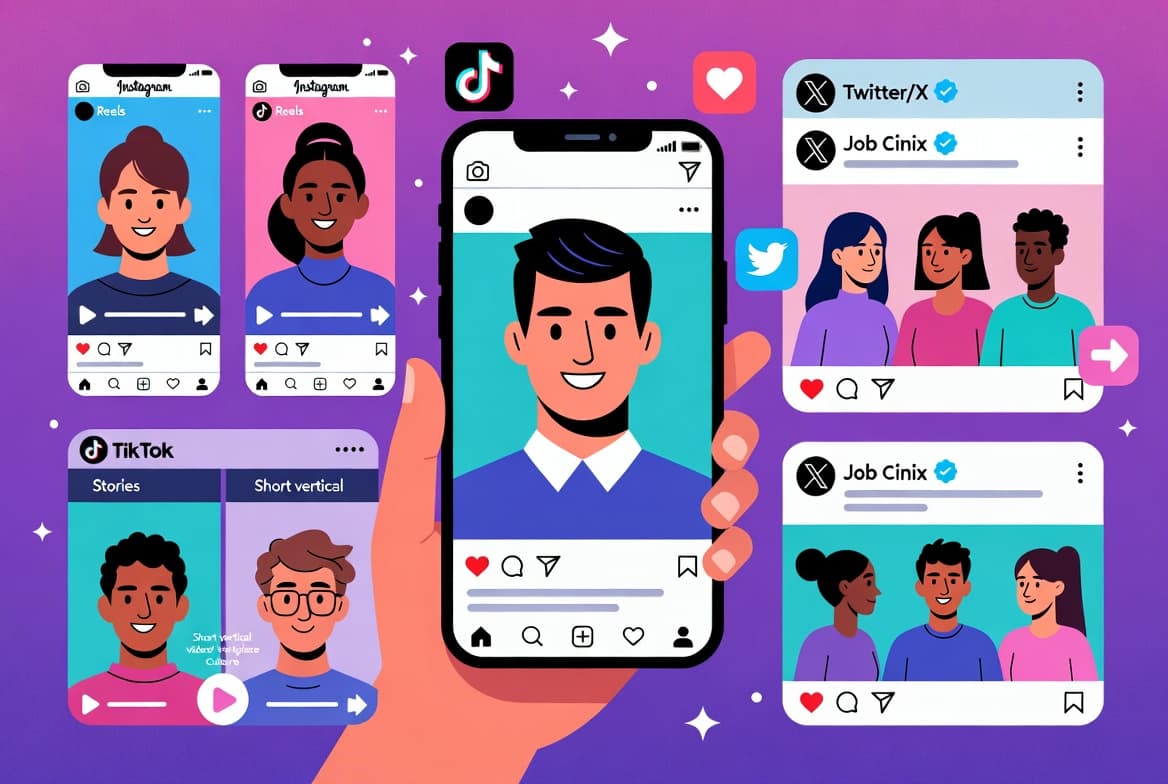
I've just come back from the East London Talent Summit where I watched three separate tech founders demonstrate their "groundbreaking" TikTok recruitment strategies. Each one was more painful than the last. Glossy corporate videos with HR platitudes, awkward team members reading scripts, and not a single authentic moment among them. Meanwhile, their target Gen Z audience has already scrolled past.
That's the frustrating reality of employer branding in 2026. Everyone's scrambling to create video content for platforms they fundamentally don't understand. I've built teams across three continents over nine years, and the disconnect between how companies present themselves and what actually attracts great talent has never been wider.
The Filipino Team That Changed My Mind
I was a short-form video sceptic until 2024. Then I needed to hire 12 developers in Manila within six weeks. Our traditional approach wasn't working, so my local team suggested a radical shift: letting them create unscripted TikToks showing their actual workday, warts and all.
The first videos showed their messy desks, debugging frustrations, and the epic street food they'd grab at lunch. No scripts, no corporate messaging approval. Just real people doing real work.
Applications doubled in ten days. But more importantly, the quality skyrocketed. Candidates arrived at interviews already understanding our culture and tech challenges. The team filled all 12 roles in four weeks.

Beyond Tick Boxes: Diversity Recruitment Strategies That Actually Transform UK Workplaces

Master the Virtual Hot Seat: 7 Video Interview Techniques Recruiters Don't Tell You

How to Master 'Tell Me About Yourself' Interview Question: UK Expert Insights
Stop Thinking Like A Brand Manager
The biggest mistake I see? Companies treating TikTok and Instagram Reels like mini TV commercials. That's not how these platforms work.
Gen Z can smell corporate messaging from a mile off. When your polished recruitment video pops up between their friend's chaotic cooking fail and a stranger's spontaneous dance, the contrast is jarring. You're interrupting their entertainment with what feels like an ad break.
What works instead? Rawness. Reality. A sense that you're getting the unfiltered truth.
The Golden Ratio That Actually Works
After three years of testing video content across distributed teams in multiple countries, I've found this content mix works best:
- 60% day-in-the-life content (actual work, challenges, wins)
- 25% behind-the-scenes culture (lunch breaks, celebrations, team dynamics)
- 15% structured information (benefits, career paths, training)
But who creates this content? That's the crucial bit.
Your Best Creators Aren't In Marketing
Your slickest video editor might not be your best TikTok creator. When we surveyed our new hires last quarter about what attracted them, they consistently mentioned videos from Raj (a backend developer with zero marketing experience) and Maya (a project manager who'd never made content before).
Why? Because they weren't trying to sell anything. They were just showing their actual work day.
One of Raj's most successful videos was literally him showing his cluttered desk while explaining a problem he'd been stuck on for two days. It got 14K views and drove eight quality applications. No script, no fancy editing, just authenticity.
So how do you actually implement this?
The Creator-Led Approach That Works
Identify the natural content creators in your organisation. They're not necessarily the extroverts or the most senior people. Look for:
- People who already use these platforms personally
- Team members with genuine enthusiasm for their role
- Staff who naturally explain things clearly
- Individuals from diverse backgrounds (essential for attracting diverse talent)
Give them basic training, then get out of their way. The magic happens when you stop micromanaging the message.
The Compliance Issue No One Talks About
But wait, what about legal concerns? Information security? Brand consistency?
This is where most companies get stuck. Legal gets nervous, marketing panics about brand guidelines, and suddenly your authentic content strategy becomes a bureaucratic nightmare.
The solution isn't complicated, but requires trust. Create simple guardrails, not restrictive rules:
- A one-page guideline on information security (what can/can't be shown)
- Regular catch-ups with creators to address concerns
- Post-publication review rather than pre-approval (crucial for maintaining authenticity)
When I implemented this with our India team, it reduced content approval time from 8 days to 24 hours. The quality improved dramatically.
The Metrics That Actually Matter
Don't get distracted by vanity metrics. Raw view counts tell you very little about recruitment effectiveness.
What matters more?
- Application quality (candidates who reference specific content)
- Completion rates (how many watch to the end)
- Comments (especially questions about the role or company)
- Shares to private messages (often indicating serious interest)
One manufacturing client obsessed over getting 100K+ views but couldn't understand why applications weren't increasing. When we dug into their analytics, we discovered their videos were being watched primarily by other companies researching content strategies, not by potential candidates.
So Where Do You Start?
If you're serious about using TikTok and Instagram Reels for employer branding:
- Find your authentic creators across departments
- Give them basic training and clear guardrails
- Let them show their actual work environment
- Focus on day-in-the-life content first
- Measure what matters for recruitment, not just engagement
The most effective recruitment videos don't look like recruitment videos at all. They look like a glimpse into a workplace where the viewer could actually see themselves belonging.
Still struggling with employer branding? The elevated recruitment approach might be what you need to cut through the noise.
Gen Z talent isn't looking for perfect corporate messaging. They're looking for workplaces where they can be themselves while doing meaningful work. Show them that reality, and you won't need to sell them anything.